

Dallas winters can bring unpredictable weather—from mild days to sudden freezing temperatures. As we trudge through February, your HVAC system is working harder to keep your home comfortable. The last thing you want is an unexpected breakdown when you need heat the most.
At Conover Heating & Air, we know how frustrating it can be to deal with a malfunctioning furnace or heat pump during the coldest months. That’s why we’ve compiled this comprehensive guide on common winter HVAC problems and how to prevent them.
With the proper knowledge and a little preventive maintenance, you can keep your home warm, energy-efficient, and safe all season long.
Frozen Pipes: A Costly Winter Hazard
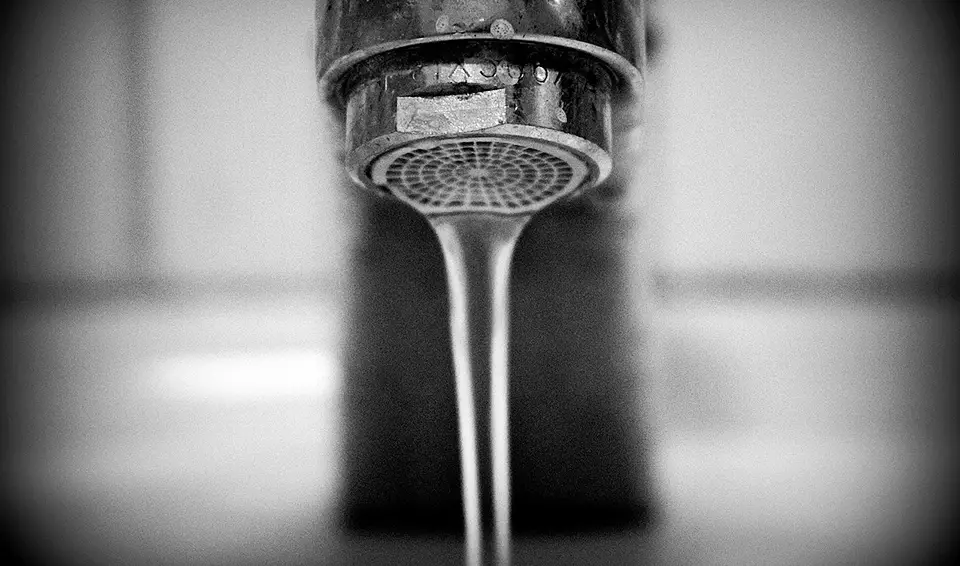
Imagine waking up on a chilly morning, turning on the faucet, and realizing no water is coming out. If temperatures have dropped below freezing overnight, you might be dealing with frozen pipes—one of the biggest winter headaches for homeowners.
Why Frozen Pipes Are a Problem
When water freezes inside a pipe, it expands, creating pressure that can cause the pipe to burst. A burst pipe can lead to:
- Expensive plumbing repairs
- Water damage to floors, walls, and furniture
- Disruptions to your home’s heating system
How to Prevent Frozen Pipes
- Keep your thermostat above 60°F, even when you’re not home.
- Insulate exposed pipes in crawl spaces, attics, and unheated areas.
- Let faucets drip slightly during extremely cold nights to keep water moving.
- Open cabinet doors to allow warm air to circulate around pipes under sinks.
If you suspect a pipe is frozen, turn off the water supply immediately and call a professional before it bursts.
Uneven Heating & Airflow Issues
Do some rooms in your house feel like an icebox while others feel like a sauna? Uneven heating is a common winter problem that can make your home uncomfortable and increase energy bills.
Common Causes of Uneven Heating
- Blocked vents: Furniture, rugs, or decorations could obstruct airflow.
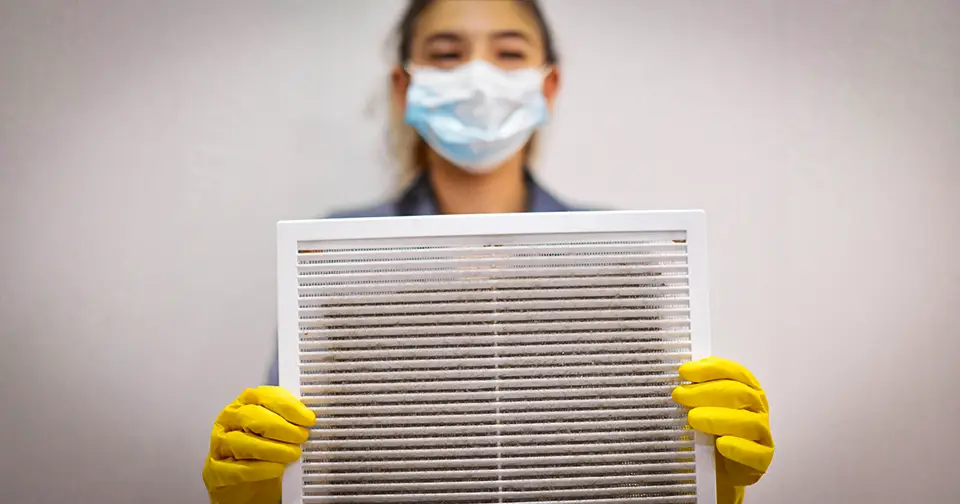
- Dirty air filters: A clogged filter reduces efficiency and airflow.
- Leaky ductwork: Holes or gaps in ducts cause heat to escape.
- Improper system size: An HVAC unit that’s too small or too large can cause heating imbalances.
Here's What You Should Try
- Check and clear vents: Ensure all supply and return vents are open and unobstructed.
- Replace air filters regularly: A fresh filter improves airflow and efficiency.
- Schedule a ductwork inspection: Have Conover seal leaks in your ductwork.
- Consider zoning solutions: A zoned heating system can provide more balanced warmth throughout your home.
If you’ve tried these solutions and still experience uneven heating, it might be time to have your HVAC system evaluated for better efficiency and performance.
Malfunctioning Thermostats
Your thermostat is the brain of your HVAC system. If it’s not working correctly, it can cause temperature inconsistencies, short cycling, or no heat at all.
Signs Your Thermostat Isn’t Working Right
- The set temperature doesn’t match the actual room temperature.
- Your furnace turns on and off frequently (short cycling).
- No heat is coming from the system, even when turned on.
- The display screen is blank or unresponsive.
How to Fix a Faulty Thermostat
- Check the batteries: A simple battery swap can solve many issues.
- Clean the thermostat: Dust and dirt can interfere with the sensors.
- Recalibrate the thermostat: Follow the manufacturer’s instructions for recalibration.
- Upgrade to a smart thermostat: Newer models improve efficiency and give you better control over heating schedules.
A malfunctioning thermostat could indicate a more significant issue with your HVAC system, so if problems persist, have a professional inspect it.
Dirty Air Filters: The Efficiency Killer
Did you know that a clogged air filter can cause your furnace to overwork, leading to higher energy bills and system breakdowns?
Why Air Filters Matter
When your air filter is dirty, it restricts airflow, forcing your furnace to work harder. This reduces efficiency and increases wear and tear on your system, leading to potential breakdowns.
How to Keep Your Air Filters Clean
- Check filters monthly and replace them every 1–3 months (or more often if you have pets or allergies).
- Use high-quality filters to improve air quality and protect your HVAC system.
- Schedule regular HVAC maintenance to ensure filters and other components are clean and functioning properly.
A clean air filter helps your furnace run efficiently, keeps your home warmer, and extends the lifespan of your HVAC system.
Pilot Light & Furnace Issues
If your home has a gas furnace, it relies on a pilot light or electronic ignition to function properly. A flickering or non-working pilot light can leave you without heat on a cold winter day.
Common Pilot Light Problems
- Drafts: If the furnace room is drafty, it can blow out the pilot light.
- Dirty or damaged flame sensor: A clogged sensor can prevent ignition.
- Gas supply issues: If the gas valve is faulty, the pilot light won’t stay lit.
What to Do If Your Pilot Light Goes Out
- Check for drafts and seal any gaps.
- Clean the flame sensor.
- Ensure the gas supply is on and functioning correctly.
If your pilot light keeps going out, your furnace may need your friends at Conover to take a look. We can diagnose and fix the issue.
Carbon Monoxide (CO) Leaks: A Serious Safety Hazard
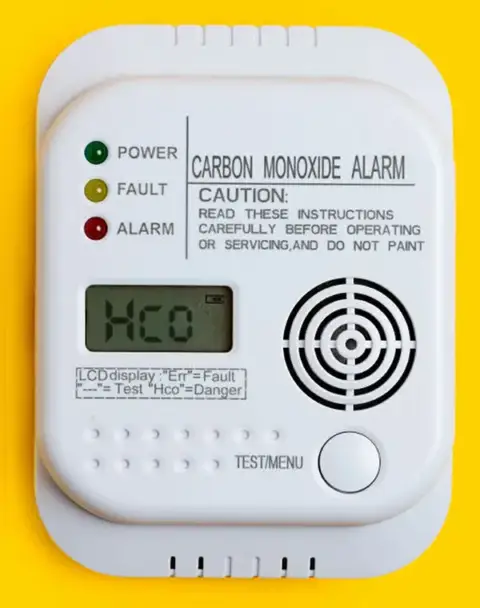
Carbon monoxide is known as the silent killer because it is colorless, odorless, and deadly. CO leaks occur when furnaces or other gas appliances aren’t properly ventilated or have damaged components.
How to Protect Your Home from CO Leaks
- Install carbon monoxide detectors on every level of your home, especially near bedrooms.
- Test CO detectors regularly and replace batteries as needed.
- Schedule Conover to make annual furnace inspections so we can check for heat exchanger cracks or other issues.
- Never block furnace vents or run your car in a closed garage.
If your CO detector ever beeps four times in a row, leave your home immediately and call emergency services.
Heat Pumps & Cold Weather
Heat pumps are a great energy-efficient option for DFW homeowners, but they can struggle in extreme cold.
Common Winter Heat Pump Issues
- Frozen outdoor coils: Ice buildup can block heat exchange.
- Low refrigerant levels: This reduces efficiency and heating power.
- Faulty capacitors or sensors: These issues prevent the system from running correctly.
How to Prevent Heat Pump Issues
- Keep outdoor units clear of snow and ice.
- Change air filters regularly to maintain airflow.
- Schedule seasonal maintenance to check refrigerant levels and electrical components.
Rising Energy Bills: Signs of HVAC Struggles
If your energy bills are skyrocketing, your HVAC system might be working harder than it should.
Ways to Improve Efficiency & Lower Costs
- Schedule an HVAC tune-up to ensure optimal performance.
- Improve home insulation to prevent heat loss.
- Use a programmable thermostat to adjust temperatures when you’re away.
Final Thoughts
Winter HVAC issues can be stressful, but with regular maintenance and quick action, you can keep your home comfortable, safe, and energy-efficient all season long.
Need HVAC repairs, maintenance, or a new furnace installation? Call Conover Heating & Air today! Our expert technicians are ready to help DFW homeowners stay warm and worry-free this winter. Call us now at 214.361.9630 to schedule your winter HVAC tune-up!